
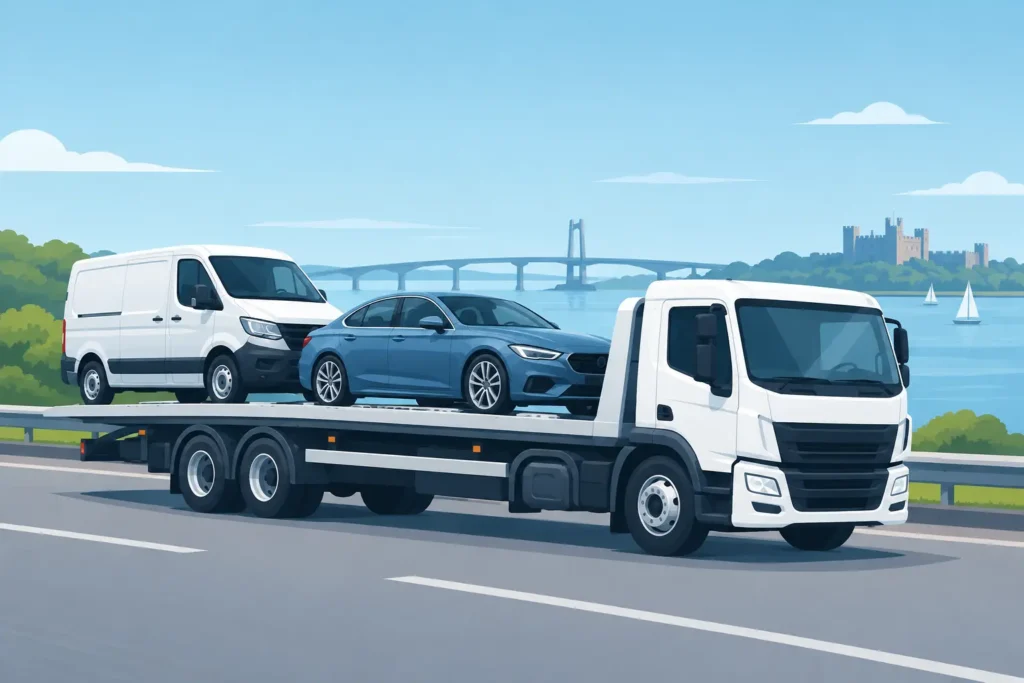
A vehicle that still starts is not always a vehicle that should be driven. Perhaps the warning light has appeared, the steering feels wrong, a tyre has been damaged, or you have bought a car that is not taxed, insured or ready for the road. A local vehicle transport service Essex motorists can call gives you a safer way to move a car, van or light commercial vehicle without taking a risk on the journey.
Transport is not only for roadside emergencies. It is often the practical answer when a vehicle needs to get from a home, workplace, garage, auction site or repair centre to another destination. The right recovery operator will focus on careful loading, clear communication and getting the vehicle where you need it to be.
When Vehicle Transport Is the Better Choice
Driving a vehicle with a suspected fault can turn a repairable problem into a more expensive one. An overheating engine, noisy gearbox, damaged suspension component or brake issue may worsen quickly on Essex roads, particularly in stop-start traffic or at higher speeds. Even if the vehicle seems manageable for a short distance, it may not be safe.
Transport is also useful after an accident, where body damage or a flat tyre makes onward driving unsuitable. It can help when a vehicle has no MOT, has been left at a garage after repairs, or needs moving before work can begin. For a van owner, avoiding further damage matters even more when that vehicle is needed for tools, deliveries or the next day’s jobs.
There are times when a simple repair at the roadside is enough. A flat battery, an empty fuel tank or a minor issue may be resolved without recovery. But if there is any doubt about the vehicle’s safety, recovery to your chosen destination is usually the sensible decision.
Choosing a Vehicle Transport Service in Essex
The first question is not simply, “Can you move my vehicle?” It is whether the operator understands where you are, what condition the vehicle is in and where it needs to go. Local knowledge makes a real difference when you are parked on a busy route, stuck at home, outside a workplace or unable to access a garage easily.
A dependable service should ask for the vehicle make and model, its condition, your location and destination. Be clear if the wheels are locked, the steering is damaged, the vehicle cannot roll freely or it is in a tight space. These details help the recovery operator arrive prepared and avoid delays once they are with you.
It is also worth confirming the destination before collection. This could be your regular garage, your driveway, a bodyshop, a dealership or another address within the operator’s service area. A professional recovery service should handle the vehicle with care and keep you informed about the plan, particularly if collection is taking place after dark or following an incident.
Price matters, especially when an unexpected fault has already disrupted your day. Ask for a clear idea of the charge based on the collection point, destination, vehicle type and access. The cheapest option is not always the best value if it leaves you waiting for hours or does not have the right equipment for your car or van. Fair pricing, direct contact and a realistic arrival estimate are more useful than vague promises.
Local coverage can save time
A national call centre may need to pass your details between several people before a local contractor is assigned. That can be frustrating when you are already stranded. A Chelmsford-based operator covering the surrounding Essex area can often assess the situation more quickly and give practical advice from the first call.
For motorists within roughly 30 miles of Chelmsford, this can include transport from towns, villages, residential streets, workplaces and roadside locations across the area. Availability will always depend on the time, current call-outs and the type of vehicle, but local recovery removes much of the uncertainty that comes with dealing with a distant provider.
Preparing Your Car or Van for Transport
You do not need to be an expert to prepare for collection. The most useful thing is to tell the recovery operator exactly what has happened. If the vehicle has been in a collision, has a puncture, will not select neutral or has been sitting unused for months, say so when you call.
Before the vehicle is loaded, remove valuables, work equipment and loose items where possible. Keep the keys ready, along with any wheel-locking nut key if the wheels may need attention. If you are sending the vehicle to a garage while you are elsewhere, make sure the garage knows it is coming and has your contact details.
Take a few photographs of the vehicle beforehand if it has existing accident damage or bodywork marks. This is a sensible record for any vehicle movement, not a sign that you expect a problem. You should also make the recovery operator aware of low ground clearance, modified suspension, electric or hybrid systems, and any leaks you have noticed.
Access is another detail that can be overlooked. A narrow driveway, underground car park, locked gate or heavily parked street may affect how the vehicle can be collected. If possible, move personal vehicles out of the way and tell the operator about any restrictions before they set off. A few minutes of information can prevent a difficult collection from becoming a long wait.
What Happens During Collection
Once the recovery vehicle arrives, the operator should assess the situation before loading. They may check whether the wheels turn, whether the steering is free and whether there are visible issues that change the safest loading method. This is why accurate information at the booking stage is so valuable.
The vehicle is then secured for transport using the appropriate equipment. You may be able to travel with the recovery operator depending on the circumstances, available space and destination, but this should never be assumed. If you need to get home, collect children or reach work, mention it at the start of the call so you can make the right arrangements.
For commercial drivers, it is helpful to separate the vehicle recovery from the day’s wider problem. You may need to notify customers, arrange for tools or stock to be collected, or contact your insurer. A prompt vehicle transport service will not remove every inconvenience, but it can get the most immediate issue under control: moving your vehicle safely to the right place.
Recovery or Planned Transport: Which Do You Need?
The difference often comes down to urgency. Recovery is usually needed when you are broken down, involved in an incident or unable to drive safely. Planned transport suits a vehicle move that can be arranged in advance, such as taking a non-running project car to a specialist or moving a van to a repairer.
In practice, the service can look similar. Both require safe loading, secure transport and a confirmed destination. The main difference is that emergency recovery needs a fast response, often outside normal working hours, while planned transport gives more flexibility over the collection time.
If you are unsure which applies, describe the situation rather than trying to use the right terminology. Say where the vehicle is, whether it runs and whether it is safe to drive. An experienced operator can advise on the most suitable next step.
A Safer Way to Keep Moving
Being without your car or van can affect school runs, commutes, family plans and business income. The aim of vehicle transport is not merely to tow a problem away. It is to protect the vehicle from further damage, remove the stress of an unsafe journey and get it to a place where the next decision can be made calmly.
Breakdown Recovery Essex provides local recovery and transport for cars, vans and light commercial vehicles, with practical support when a vehicle cannot stay where it is. If your vehicle feels unsafe, will not move or simply needs collecting from one Essex address and delivered to another, acting early is often the cheapest and safest choice. Keep the vehicle details, location and destination ready, and you will make the call faster when it matters.