
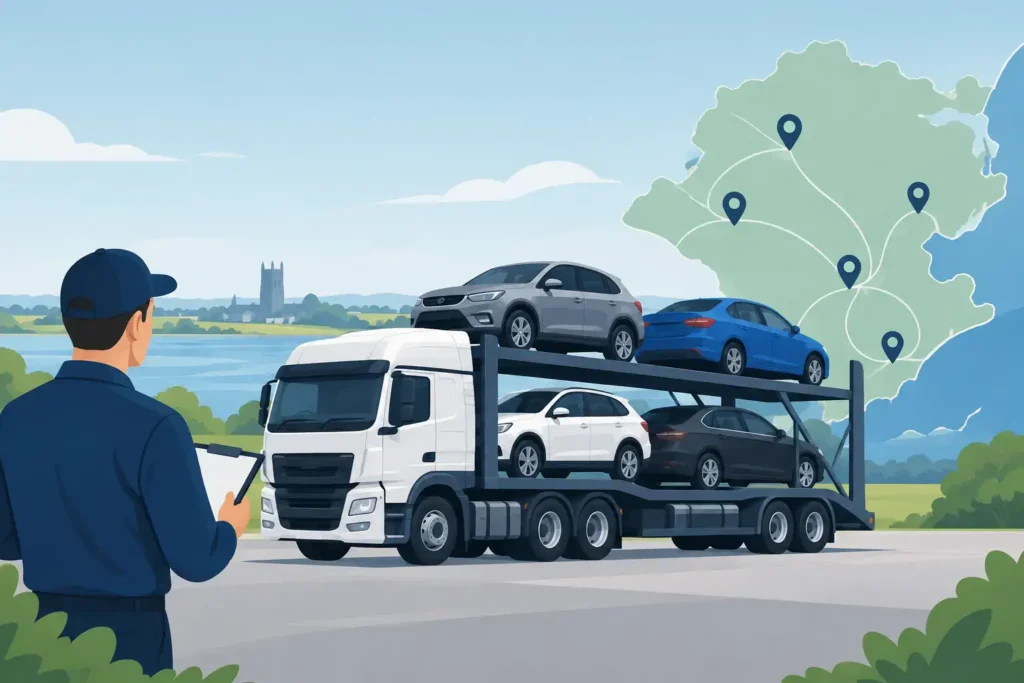
A vehicle collection is often needed when driving the car or van is not an option. Perhaps it has failed an MOT, broken down at home, has no tax or insurance for the road, or simply needs moving to a garage, dealer or new address. Whatever the reason, the priority is the same: get it moved safely, without adding damage, delays or unnecessary stress.
For drivers and businesses around Chelmsford, arranging the right collection can save a difficult day from becoming a more expensive problem. A professional recovery operator can collect cars, vans and light commercial vehicles and take them to the destination you choose, whether that is a local workshop, your home or a buyer’s address.
When do you need vehicle collection?
Not every non-running vehicle is stranded at the roadside. Many collections are planned in advance, but they still need careful handling. A car that will not start on the drive, for example, may need to go to a garage for diagnosis. A van with a gearbox fault may need transporting before a workday is lost. A vehicle bought privately may be undrivable, unroadworthy or too far away to collect yourself.
Vehicle collection is also useful after a breakdown recovery. Once the immediate situation is safe, you may decide that your vehicle needs moving from a temporary location to a specialist garage, body repairer or dealership. This avoids trying to drive a vehicle with a warning light, overheating issue, brake concern or suspected mechanical fault.
There are occasions where driving may still be possible, but it is not necessarily sensible. If you are uncertain whether a fault is safe to continue with, stop somewhere safe and seek advice. A short journey can cause further damage when there is a cooling-system leak, engine problem, damaged tyre, clutch failure or electrical issue.
What a safe vehicle collection should include
A proper collection is more than attaching a tow rope and hoping for the best. The vehicle needs to be assessed, loaded correctly and secured for the journey. This is particularly important for automatic vehicles, low-clearance cars, electric vehicles and vans carrying tools or stock.
The operator should establish where the vehicle is, its condition and its destination before setting off. Access matters too. A car parked in a tight residential bay, underground car park or narrow lane may require a different approach from one waiting on a clear driveway. Giving clear information at the time of booking helps avoid delays and ensures suitable recovery equipment is sent.
Once on site, the vehicle should be loaded with care and properly restrained. The driver should also be told where it is being taken and what will happen on arrival. Straightforward communication is especially valuable when you are arranging transport from work, dealing with a garage after hours or trying to keep a business vehicle moving.
Collection is not always the same as recovery
Recovery usually follows an unexpected breakdown, collision or roadside incident. Vehicle collection is often pre-arranged and may take place from a home, garage, auction site, workplace or storage location. In practice, the equipment and safe handling standards can be similar, but the planning is different.
If a vehicle has broken down in a live lane, on a busy road or in an unsafe location, call for urgent recovery rather than treating it as a routine collection. Your safety comes first. Move away from traffic where possible, switch on hazard lights and wait in a safe place.
Preparing your vehicle for collection
A little preparation makes collection quicker and protects both you and the operator. If you can safely access the vehicle, remove valuables, paperwork you do not need to leave inside, loose tools and personal items. For vans, check behind seats and in the load area. It is easy to overlook equipment when you are focused on the fault.
Make sure the recovery operator can access the keys. If somebody else will be present for the collection, let them know where the vehicle is parked, whether it rolls freely and whether it has any known faults. Tell the operator if the steering is locked, a wheel is damaged, the handbrake is stuck on or the battery is flat. These details do not necessarily prevent collection, but they affect how the vehicle is loaded.
It also helps to confirm the drop-off arrangements with the receiving garage, dealer or property owner. Check their opening hours, whether they can accept an out-of-hours delivery and where the vehicle should be left. A garage may need the keys placed in a secure key drop, while a private address may require someone to be available.
Where possible, take a few clear photos of the vehicle before transport, particularly if it already has body damage. This is a sensible record for any collection, especially when moving a recently purchased vehicle or a car being sent for repair.
Choosing the right collection service in Essex
The cheapest quote is not always the best value if it leaves basic questions unanswered. You need to know whether the operator covers your collection point and destination, can handle the type of vehicle involved and provides a clear price before attending. Distance, vehicle condition, access and the time of day can all affect the cost, so an accurate description helps you receive an honest quote.
Local knowledge is useful across Essex. Routes around Chelmsford, the A12, A130 and surrounding villages can change significantly with traffic, roadworks and peak-time congestion. A local recovery provider is better placed to give realistic arrival information and select a practical route.
For commercial drivers, speed matters, but careful transport matters just as much. A poorly handled van can mean damaged stock, lost tools or a longer spell off the road. If your vehicle supports your work, explain that at booking. The right collection plan can get it to the repairer quickly while reducing further disruption.
Breakdown Recovery Essex provides 24-hour collection and recovery support for cars, vans and light commercial vehicles within around 30 miles of Chelmsford. Direct contact means you can explain the situation to a local operator rather than working through a distant call centre.
Questions to answer before you call
You do not need technical knowledge to arrange a collection, but having the key facts ready will speed things up. Be prepared to give the vehicle registration, make and model, your exact location, the destination and a brief description of the problem. Mention if the vehicle is parked on a road, driveway, car park, garage forecourt or somewhere with restricted access.
It is also worth stating whether the vehicle starts, rolls and steers. If you do not know, say so. Guessing can lead to the wrong equipment being sent, while an honest description allows the operator to plan properly.
If the car is at a garage, ask whether it can be collected during opening hours and whether staff will release the keys. If it is being collected after a private sale, make sure the seller knows when the vehicle will be removed. These small arrangements prevent a wasted journey.
When collection is the safer choice
There is a temptation to make one last trip to the garage, particularly if the vehicle starts. That choice depends on the fault. A minor issue may allow safe onward travel, but warning lights, strange noises, smoke, overheating, steering problems, brake concerns and damaged tyres should never be ignored.
Collection is often the safer route if the vehicle is uninsured, untaxed, not roadworthy or has been standing for a long time. It can also be a better option for a newly bought car when you do not know its history or condition well enough to trust it on a longer journey.
The aim is not simply to get the vehicle from A to B. It is to get it there without risking your safety, causing further damage or creating more disruption than the original problem. If your car or van cannot be driven with confidence, arrange professional transport and let the journey to the repairer be the easy part.