
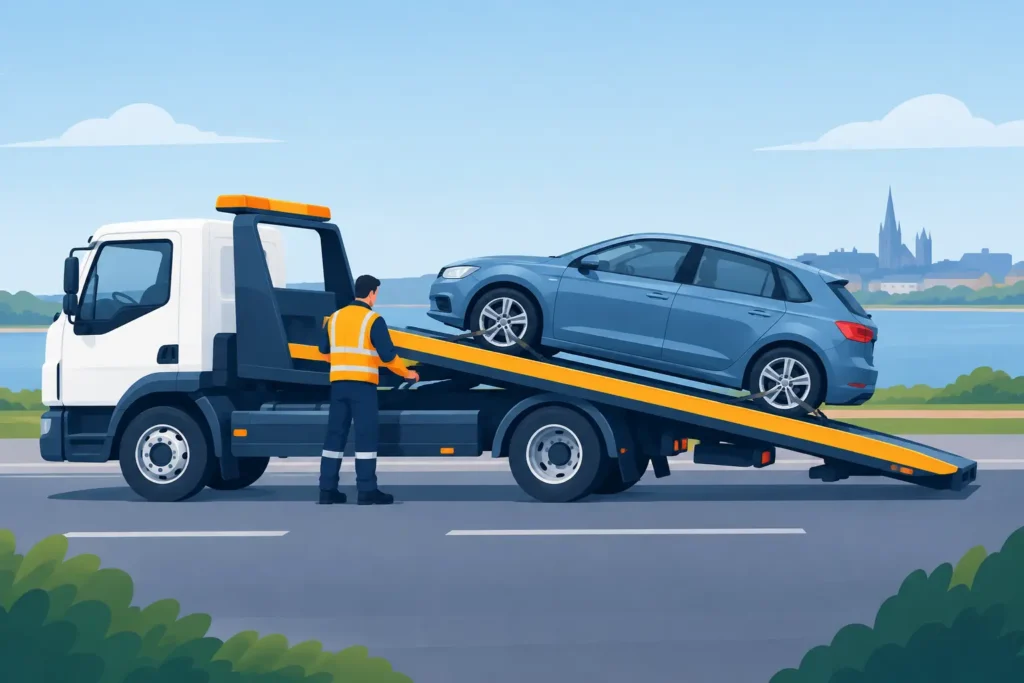
A warning light on the way to work, a flat tyre outside the school gates or an engine that simply will not restart can turn an ordinary journey into a stressful wait. When you need affordable car recovery Essex drivers can rely on, the priority is not just finding a low price. It is getting clear information, safe handling and a recovery vehicle sent to the right place without unnecessary delay.
The cheapest-looking option is not always the best value if it leaves you waiting for hours, adds unexpected mileage charges or cannot take your vehicle where it needs to go. A good local recovery service should explain the likely cost, confirm your location and vehicle type, and arrange a practical next step.
What affordable car recovery in Essex should include
Affordable recovery means paying for the help you actually need, without being left to guess what happens next. For some drivers, that means a short recovery from the side of the A12 to a nearby garage. For others, it means transporting a car from home to a repairer after it will not start on the drive.
A proper service starts with a few straightforward questions: where are you, what vehicle are you driving, what has happened and where would you like it taken? These details help the operator send suitable equipment and give a more accurate indication of cost.
Safe loading and transport matter just as much as the price. An incorrectly recovered vehicle can suffer further damage, particularly if there is a problem with the wheels, steering, suspension or gearbox. Experienced recovery operators know when a vehicle can be moved normally and when it needs extra care.
It is also worth checking that the service can take you to your chosen destination. That may be your home, workplace, trusted garage or dealership. Being recovered to a location that does not work for you can create another expensive problem later in the day.
What affects the cost of car recovery?
There is no single price that fairly covers every breakdown. A short daytime collection of a small car is different from recovering a loaded van late at night from a difficult roadside location. Honest pricing reflects the work involved rather than offering a vague headline figure and adding charges afterwards.
Distance is usually one of the main factors. The further the recovery vehicle must travel to reach you and then transport your vehicle, the more time and fuel are involved. Collection and delivery points outside a local service area may cost more than a straightforward recovery close to Chelmsford.
Your vehicle type also matters. Cars, vans and light commercial vehicles may need different equipment or loading arrangements. A vehicle with a locked wheel, damaged tyre, accident damage or an inaccessible parking position can take longer to recover safely.
Timing can affect availability and cost too. Breakdowns do not wait for office hours, which is why 24-hour support is valuable. However, a late-night callout, busy bank holiday route or recovery from a live carriageway may involve additional practical considerations.
Before agreeing to a recovery, ask whether the price includes collection, loading, transport and delivery to your destination. If your car is going to a garage, confirm whether it can be left outside safely if the garage is closed. A clear conversation at the start prevents surprises when you are already under pressure.
Local recovery can save time and money
A local operator understands the roads, common pinch points and routes around Chelmsford and the wider Essex area. That knowledge can make a real difference when you are stuck on a busy commuter route, in a supermarket car park or on a rural road with limited landmarks.
It also removes some of the uncertainty of a large call centre. Instead of being passed between departments, you can speak directly to someone arranging your recovery. You can explain whether you are travelling with children, whether the vehicle is blocking access or whether you have a deadline at work.
Breakdown Recovery Essex provides 24-hour recovery and vehicle transport for cars, vans and light commercial vehicles within a 30-mile radius of Chelmsford. For drivers in the area, local coverage means help is arranged by people focused on getting a nearby motorist to safety and on to their chosen destination.
Local does not mean every recovery will be instant. Traffic, weather, road closures and the location of the nearest available vehicle all affect response times. A trustworthy provider will communicate honestly, keep you updated where possible and avoid making promises they cannot keep.
Stay safe while you wait for recovery
Your safety comes before the vehicle. If you have broken down on a motorway or fast dual carriageway, move behind a safety barrier if it is safe to do so and keep well away from moving traffic. Do not try to inspect the car beside a live lane or attempt a roadside repair that puts you in danger.
On an ordinary road, switch on your hazard lights and, if possible, stop somewhere visible and away from bends or junctions. If you need to leave the vehicle, do so from the side away from traffic when it is safe. Keep passengers in a safe place, especially children and anyone with limited mobility.
When you call for help, give the clearest location possible. A road name, nearby junction, postcode, landmark or what3words location can all help. If you are on a major route, note the direction you were travelling and the nearest marker post or exit. Saying only that you are “near Chelmsford” can slow things down when every minute feels long.
If the vehicle has suffered a collision, is leaking fuel or is positioned dangerously, tell the recovery provider straight away. They can prepare for the situation and advise whether emergency services should be contacted first.
When recovery is better than a roadside repair
Not every breakdown requires a tow. A flat battery, an empty fuel tank, a loose battery connection or a simple tyre issue may sometimes be resolved where you are. Where practical and safe, basic assistance can get you moving without the need for transport.
But recovery is the better choice when there is a serious warning light, overheating, smoke, unusual noises, a damaged wheel or a fault that could cause further harm if you continue driving. It can also be sensible if you are unfamiliar with cars, travelling alone at night or need to protect a van that your work depends on.
Trying to save money by driving a vehicle that is not safe can quickly become more expensive. An overheating engine, for example, can suffer major damage if it is pushed on. Recovering the car to a garage gives you the chance to get a proper diagnosis rather than taking a gamble at the roadside.
How to make the callout quicker
You do not need to know the technical cause of the fault. A simple description is enough: “the engine turns over but will not start”, “I have a puncture”, or “the temperature warning came on and there is steam from the bonnet”. Avoid trying to diagnose a problem you are unsure about.
Have your registration, vehicle make and model ready, along with your location and destination. Let the operator know if the vehicle is automatic, electric, heavily loaded, lowered or has visible damage. Mention any access problems too, such as a narrow driveway, underground car park or locked steering.
If you have breakdown cover through your insurer, bank account or vehicle manufacturer, check what it includes before arranging private recovery. Some policies cover only a limited distance, require you to use their network or charge for onward transport. Private local recovery can be the more practical option when you want direct contact, a specific destination or help outside the limits of your policy.
Choose value, not just the lowest figure
When you are stranded, a fair price is about more than the number quoted. It is the reassurance that someone has understood where you are, will handle your vehicle properly and will take it where it needs to be. Clear communication, appropriate equipment and careful recovery are what make an urgent callout worthwhile.
Keep a local recovery number saved before you need it, along with your insurer’s details and a note of any medical or mobility needs that could affect a roadside wait. If a breakdown happens, get yourself somewhere safe first, share an accurate location and let a professional take the strain from there.