
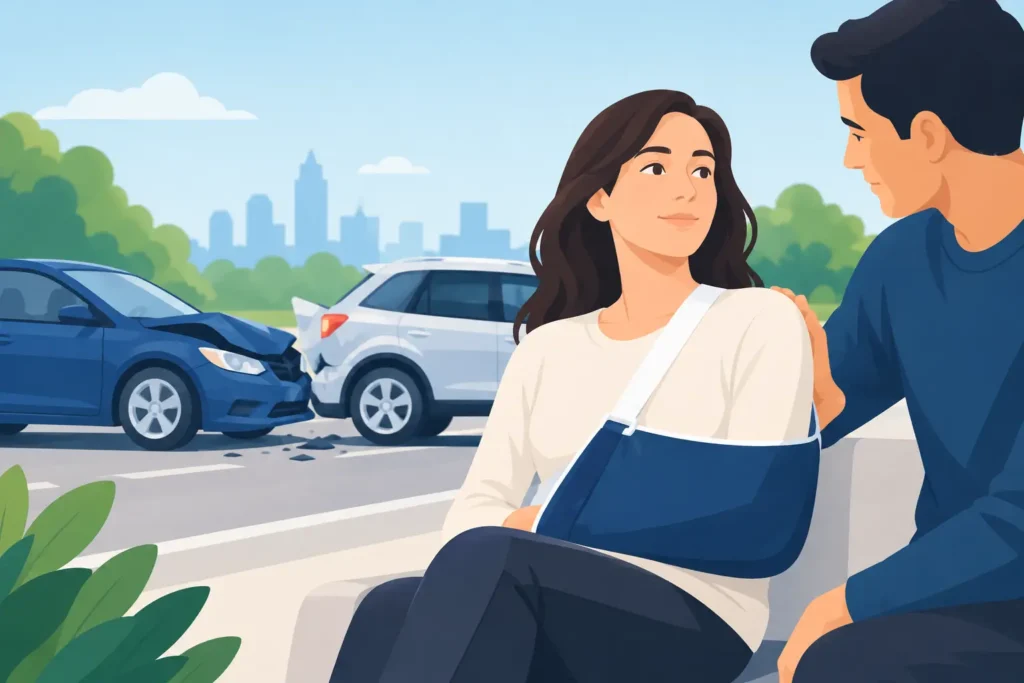
The impact may last only seconds, but the decisions you make immediately afterwards can protect people, prevent further damage and make the next few hours far less difficult. Recovery after a car accident is not simply about getting a damaged vehicle off the road. It starts with making the scene safe, getting the right help and ensuring your car, van or light commercial vehicle is moved properly.
Whether the collision is a minor bump in Chelmsford traffic or a more serious incident on an Essex A-road, avoid rushing to drive away just because the vehicle still starts. Damage is not always visible, and a car that feels usable may no longer be safe or legal to drive.
Recovery After a Car Accident Starts With Safety
First, stop somewhere safe if you can do so without creating further danger. Switch on your hazard lights, turn off the engine and check yourself and any passengers for injuries. Adrenaline can hide pain at first, so take a moment before deciding everyone is fine.
If anyone is injured, there is a risk from traffic, or the road is blocked or dangerous, call 999. Do not move someone with a possible serious injury unless they are in immediate danger. On a motorway or fast road, get behind a safety barrier where it is safe to do so. If you cannot leave the vehicle safely, remain belted in and call emergency services.
For a less serious collision, these four actions keep things clear and safe:
- Move vehicles out of the live carriageway only if they can be driven safely and doing so will not disturb a serious incident.
- Wear high-visibility clothing if you have it, particularly in the dark, rain or poor visibility.
- Keep passengers away from moving traffic and do not stand between damaged vehicles.
- Photograph the positions of the vehicles, road markings and damage before moving anything, where it is safe to do so.
Never put yourself at risk to collect broken parts, argue about blame or inspect damage in the road. The priority is people first, then the vehicle.
Exchange Details and Record What Happened
Once everyone is safe, exchange names, addresses, registration numbers and insurance details with the other driver. If the other vehicle belongs to a business, record the company name too. Take clear photographs of both vehicles, including number plates, the surrounding road, damage, debris and any relevant signs or junction markings.
If there are witnesses, ask for their name and contact details. A short note made at the scene can be useful later: record the time, location, weather, traffic conditions and a straightforward account of what happened. Keep it factual. You do not need to admit fault or agree with another driver’s version of events at the roadside.
If you have hit an unattended vehicle, damaged property or cannot exchange details at the scene, you must report the incident to the police as soon as reasonably practicable and within 24 hours. Your insurer should also be told, even if you are not planning to make a claim. Most policies require this.
Decide Whether the Vehicle Should Be Driven
A vehicle can look lightly damaged and still be unsuitable for the road. A cracked bumper may be cosmetic, but damage behind it could affect lights, cooling systems, steering, tyres or sensors. A kerb strike after a collision can also damage a wheel or suspension without being obvious from the driver’s seat.
Do not drive the vehicle if there is fluid leaking underneath, smoke or a burning smell, a warning light that was not there before, damaged tyres, loose bodywork, broken lights, steering that pulls or feels unusual, or any problem with the brakes. The same applies if an airbag has deployed. Even if the car moves, it needs professional assessment before it is driven again.
It can be tempting to get home, to work or to a garage under your own power. That choice can lead to a breakdown in a more dangerous location, cause further mechanical damage or affect an insurance claim. The cost and inconvenience of proper recovery are usually far less than the risk of driving an unsafe vehicle.
Vehicle Recovery After an Accident
A professional recovery operator will assess whether your vehicle can be loaded safely and choose the appropriate method of transport. This matters particularly where the wheels, steering, suspension or underside may have been damaged. Pulling or towing a vehicle incorrectly can make the original damage worse.
Before the vehicle is collected, remove valuables and essential personal items where safe to do so. Take photographs of the vehicle’s condition, including the interior if relevant, and keep your keys, insurance documents and any incident reference details with you. Tell the recovery operator about any known damage, leaking fluids, an electric or hybrid vehicle, or if the car is in park with a flat battery. These details help them arrive prepared.
You can normally choose where the vehicle goes. That may be your home, a trusted garage, a bodyshop, your workplace or another safe location. If your insurer has specific instructions, check whether they require the vehicle to go to an approved repairer. You are still entitled to ask questions before agreeing to a destination or additional work.
For drivers around Chelmsford and the wider area, local support can make a difficult situation more manageable. Breakdown Recovery Essex provides 24-hour vehicle recovery for cars, vans and light commercial vehicles, with careful transport to your chosen destination within its local coverage area.
What to Do Once the Vehicle Is Safe
After the immediate recovery, give yourself time to deal with the practical side in the right order. Contact your insurer with the information you gathered and keep copies of photographs, recovery receipts, repair estimates and correspondence. If you use the vehicle for work, let customers, your employer or your dispatcher know early if a delay will affect them.
Do not authorise repairs blindly if you expect to claim through insurance. Your insurer may need to inspect the damage or direct you to a repair process. On the other hand, for a minor incident where you are paying privately, obtain a clear written estimate that separates visible repairs from possible additional work found after stripping the damaged area down.
Think about transport as well. Families may need school-run arrangements, commuters may need an alternative route, and tradespeople may need to move tools or rearrange jobs. Sorting a short-term plan early takes pressure off while the vehicle is assessed.
Look After Yourself as Well as the Vehicle
A low-speed accident can still leave you stiff, shaken or distracted. If you have neck pain, headaches, dizziness, numbness, worsening pain or any concern after a collision, seek medical advice promptly. Symptoms can appear later, particularly after whiplash-type impacts.
It is also normal to feel unsettled when driving again, especially near the location of the accident. Give yourself more time for the next few journeys, avoid driving when tired or distressed, and ask someone else to drive if you do not feel able to concentrate. For many people, confidence returns gradually once the immediate arrangements are dealt with.
A calm decision at the roadside can prevent a second problem. If there is any doubt about your vehicle’s condition or your safety, leave it where it is safe, get professional recovery arranged and focus on getting yourself home safely.